First Impressions in Print: A Modern Business Card Template
You’ve probably experienced it: the slight hesitation before you hand over your business card. Is it thick enough? Does the design feel dated? In a world saturated with digital noise, the physical exchange of a card remains a powerful ritual. It’s a tangible piece of your brand identity that someone can hold, feel, and keep. A poorly designed card can undermine your credibility before you’ve even said a word, while a thoughtfully crafted one opens doors. The goal is to create that second kind of moment—a silent, confident introduction that speaks volumes about your attention to detail and professional standards.
Beyond the Basics: What Makes This Template Stand Out
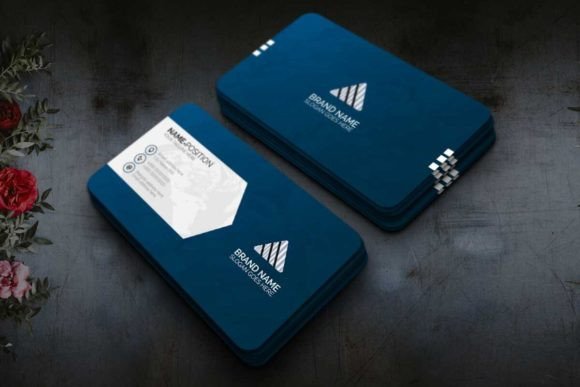
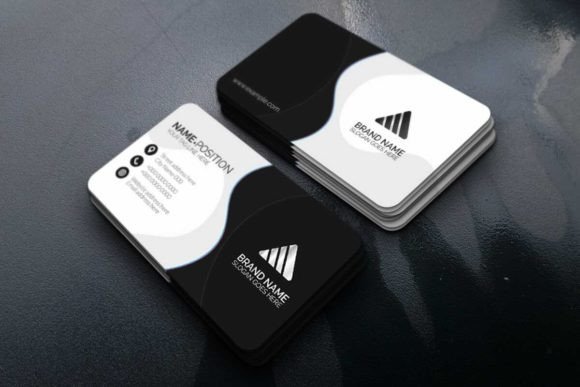
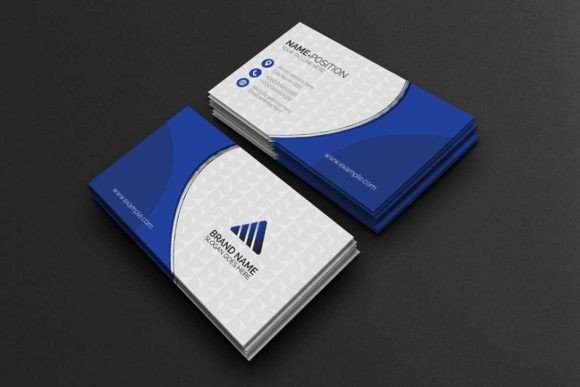
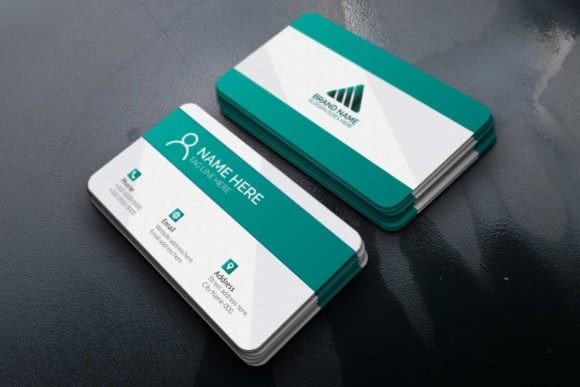
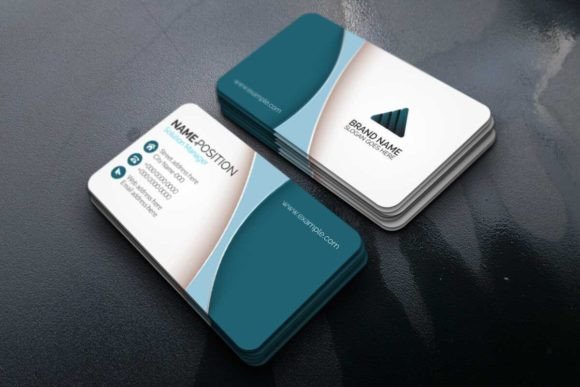
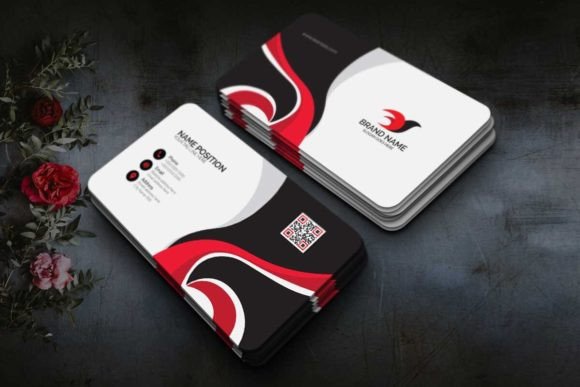
This isn't just another generic layout you download and forget. Think of this Professional Business Card Template as a foundation for your personal brand narrative. The design leans into contemporary elegance—clean lines, balanced whitespace, and a layout that prioritizes clarity without sacrificing character. It’s the kind of visual language that works for a freelance graphic designer, a startup founder, a real estate agent, or a boutique studio owner. The aesthetic is versatile enough to feel premium across industries, from creative agencies to financial consultancies, because it avoids trendy gimmicks in favor of timeless structure.
The true value lies in its adaptability. Delivered as an Adobe Illustrator file, it comes fully layered and organized. You’re not just changing text; you’re engaging with a professional-grade design asset. Paragraph styles are pre-set for consistency, bleeds are correctly configured for print, and vector shapes ensure your design scales perfectly without pixelation. This means you can confidently send it to any print shop, knowing the technical specifications—300dpi resolution, CMYK color mode, and standard 3.5x2 inch dimensions—are already optimized for high-quality output.
Practical Applications for the Modern Professional
A business card is often the cornerstone of a broader brand identity system. The typography, color palette, and spatial relationships you establish here should echo across your other marketing assets. Use the same sans-serif font from your card for your website headings. Pull the accent color for your social media graphics or email newsletter templates. This creates a cohesive visual experience that strengthens brand recognition every time someone encounters your work.
Consider these specific scenarios where this template excels:
- Networking Events & Conferences: A crisp, memorable card makes you memorable long after the event ends.
- Client Onboarding: Include a card with your welcome package or project proposal for a polished touch.
- Product Packaging: For makers and creators, a well-designed card can serve as a thank-you note or a call-to-action for reviews.
- Direct Mail Campaigns: Pair your card with a promotional flyer or sample to create a tactile marketing piece.
- Editorial Features: If you’re being profiled in a magazine or blog, a professional card reinforces your expert status.
The included free font links are a practical bonus. Choosing the right typeface is critical for readability and personality. A clean sans-serif communicates modernity and efficiency, while a subtle serif can add a touch of tradition and trust. This template likely pairs a strong headline font with a highly legible body font, a classic font pairing strategy that ensures your contact information is instantly accessible. Before finalizing, always test how the fonts look at actual print size—what’s elegant on screen can sometimes feel cramped in hand.
Customization Without the Headache
The download’s inclusion of an IDML file (InDesign Markup Language) is a thoughtful feature for those who work across Adobe’s ecosystem. It ensures compatibility and preserves styles if you need to move the design into InDesign for a larger project. The separate layers for text, graphics, and background elements mean you can make adjustments without accidentally disrupting the entire layout. Need to swap out a logo? It’s on its own layer. Want to adjust the color scheme? The background elements are isolated for easy editing.
For small business owners wearing multiple hats, this ease of use is crucial. You don’t need to be a seasoned graphic designer to achieve a professional result. The structure guides you. However, a few pro tips can elevate your final product:
- Keep It Simple: Resist the urge to add extra lines of text or social media handles. Stick to essential contact info and your core value proposition.
- Prioritize Hierarchy: Ensure your name or business name is the most prominent element, followed by your title and contact details.
- Proofread Relentlessly: A typo on a business card is a permanent error. Have someone else review it before sending to print.
- Consider Paper Stock: The template’s design will interact with the paper’s texture and weight. A matte finish offers a sophisticated feel, while a gloss can make colors pop.
Remember, this is a commercial font asset, so review the licensing if you plan to use the included typefaces for other projects like merchandise or digital products. The template itself is your canvas; the typography is the voice that brings it to life.
Integrating Your Card into a Cohesive Brand Ecosystem
Your business card shouldn’t exist in a vacuum. It’s a physical node in your network of visual communication. When someone visits your website after meeting you, the transition should feel seamless. The same design principles—clean layout, thoughtful typography, consistent color—should greet them online. This continuity builds trust and professionalism.
Think about how the card’s design language can translate to other formats. The grid system used for the card layout can inform the structure of your social media graphics or blog post featured images. The color palette can be extended into your packaging design or event invitations. This holistic approach turns a single design asset into a cornerstone of your entire brand presence, ensuring that every touchpoint, from a printed card to a digital ad, feels intentionally and authentically you.
Ultimately, a great business card is more than contact information. It’s a confidence booster, a conversation starter, and a miniature portfolio piece. By starting with a well-crafted, customizable template, you’re not just saving time—you’re investing in a professional standard that pays dividends every time you make that first, crucial impression. It’s about presenting your work, and yourself, with the clarity and polish you deserve.