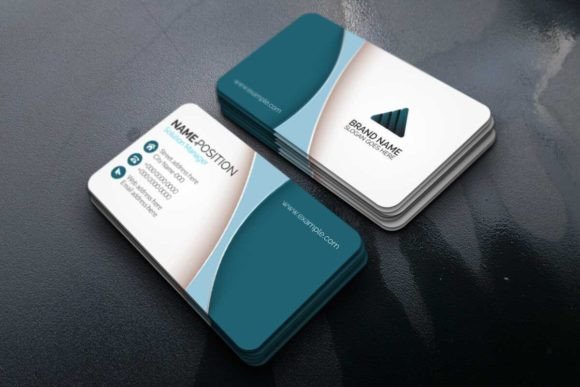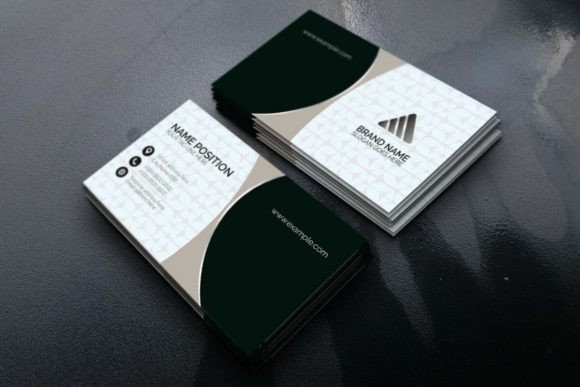
Make a Lasting Impression: The Art of the Creative Business Card
You hand someone your card. In that split second, before a single word is read, the texture, weight, and visual design have already started a conversation. It’s a silent ambassador for your brand, a tiny canvas that can either open a door or get lost in the shuffle. In a world saturated with digital noise, a thoughtfully designed physical touchpoint like a business card carries a unique power. It’s not just about contact information; it’s about making a tangible, memorable connection. The challenge lies in creating something that feels both authentically you and professionally polished, a balance many find difficult to strike.
Beyond the Basics: What Makes a Card Template Truly Creative?
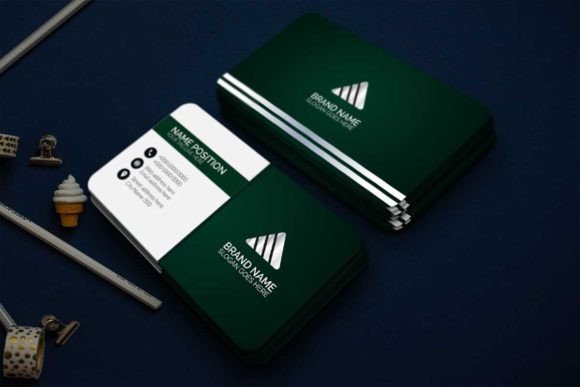
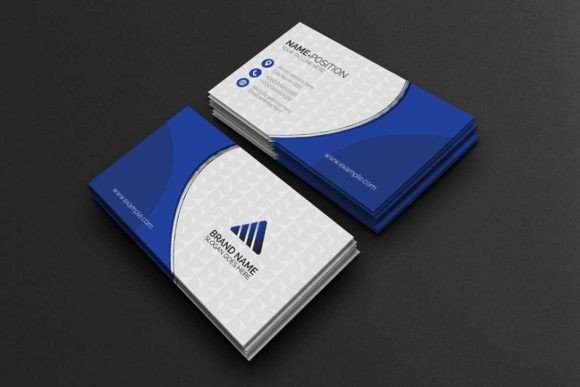
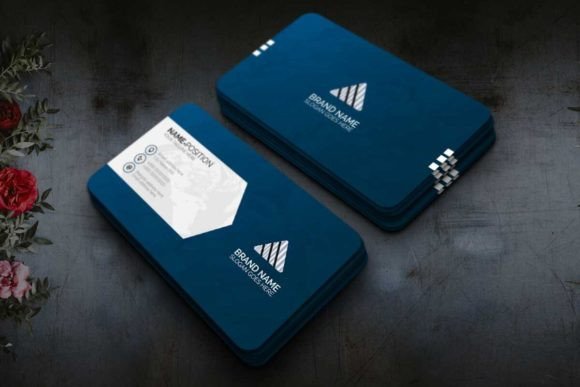
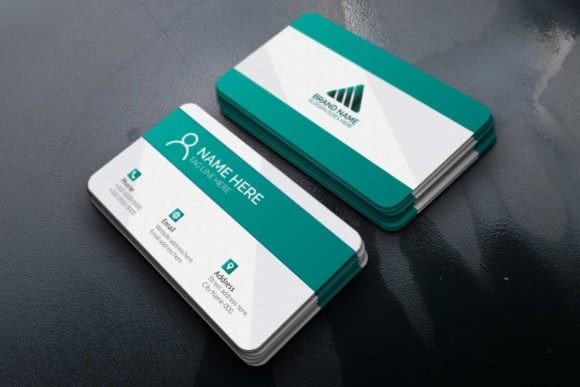
A truly effective business card template moves past generic layouts and predictable design choices. It’s built with intention, offering a framework that encourages personalization while ensuring a premium result. The hallmark of a quality template is its versatility. It should provide a sophisticated starting point that adapts to different industries and personalities, from the minimalist consultant to the vibrant creative director. Look for templates that offer more than just a static design; they should be a toolkit for building your brand identity.
Key features that signal a premium, creative template include:
- Fully Customizable Layers: Separate layers for text, graphics, and background elements allow for effortless editing. You can tweak colors, swap out images, and adjust layouts without dismantling the entire design.
- Professional Color Mode: CMYK color ensures what you see on screen is what you get in print, avoiding disappointing color shifts. Paired with a high resolution like 300dpi, your card will look crisp and professional.
- Practical Dimensions: Standard sizes like 3.5×2 inches (US) or 2×3.5 inches (EU) are included, with bleed areas marked for seamless printing. Vector shapes mean your design can be resized for other materials without losing quality.
- Thoughtful Typography: Access to free, well-chosen fonts is a huge advantage. A good template will guide you toward typefaces that complement the design style, saving you hours of searching.
This kind of template, often delivered in formats like AI or IDML for Adobe Illustrator and InDesign, acts as a professional design asset. It empowers you to achieve a high-end look without needing advanced design skills, making it an invaluable resource for entrepreneurs and creators alike.
From Template to Tangible Brand Asset
The true value of a creative business card template is unlocked when you view it as the starting point for a cohesive visual language. The design elements within the card—its color palette, typographic hierarchy, and graphic motifs—can and should inform your broader brand presence. This is how a simple contact card becomes a cornerstone of your brand identity.
Consider these practical applications to maximize your investment:
- Extend Your Design System: Pull the color codes and font pairings from your business card template to design matching letterheads, invoices, and email signatures. This creates immediate recognition and professionalism across all touchpoints.
- Inform Your Digital Presence: Use the card’s visual style as a guide for your website headers, social media profile graphics, and even the color scheme of your Instagram feed. A consistent aesthetic builds trust and makes your brand more memorable online.
- Spark Packaging Ideas: If you sell physical products, the textures, patterns, or minimalist elegance of your card can inspire your product packaging, hang tags, and thank-you notes. This creates an unboxing experience that feels curated and special.
- Create Cohesive Marketing Materials: The design language translates beautifully to other print materials like postcards, flyers, or event invitations. You’ll have a ready-made style guide to ensure everything looks like it belongs to the same family.
By thinking this way, you’re not just printing a business card; you’re establishing a visual shorthand for your entire brand. A client who remembers the distinctive corner design or the elegant serif font on your card will instantly recognize your website or social media ad. This is the essence of strong brand recognition.
Practical Tips for Customization and Pairing
Once you have your creative template, the customization process is where your personal brand comes to life. Here’s how to approach it with a strategist’s eye:
Choose Fonts with Purpose: If the template includes a bold display font for your name, pair it with a clean, highly readable sans-serif for your contact details. This contrast creates visual interest and guides the reader’s eye. Always test your chosen font pairing on a printed draft. Screen legibility and print legibility are different; what looks sleek on a monitor can become fuzzy or cramped on a small card.
Embrace White Space: A common mistake is cramming too much information onto the card. Resist the urge. Your name, title, one primary contact method (like email), and your website are often sufficient. Ample white space, or negative space, makes a design feel premium and ensures your key details stand out.
Consider the Back: Don’t treat the back of the card as an afterthought. Use it for a compelling tagline, a simplified logo, a QR code linking to your portfolio, or a striking background pattern that complements the front. This turns a blank space into a strategic asset.
Mind the Finish: While the template provides the digital design, the physical finish matters immensely. Research local printers and ask about options like matte, gloss, or soft-touch laminate. A textured or heavy card stock can elevate a good design into a fantastic one, making it something people are reluctant to throw away.
Ultimately, a creative business card template is more than a convenience—it’s a catalyst for clearer, more confident branding. It provides the professional foundation you need, freeing you to focus on the message and the connection. In the handshake between you and a potential client or collaborator, let your card be the one that speaks volumes about your attention to detail, your creativity, and your commitment to quality.